Skin Barrier Repair: The Trend That Actually Matters

Updated: May 13
Discover the signs of a compromised skin barrier and learn how to restore balance, hydration, and natural resilience to your daily skincare routine.

Why Skin Barrier Repair is the Trend That Matters
Modern skincare has become increasingly focused on strong active ingredients, fast results, and complicated routines. While many products can be beneficial when used correctly, overuse of exfoliants, acids, retinoids, and harsh acne treatments has led many people to unintentionally damage their skin. As a result, barrier repair has become one of the most important conversations in professional skincare.
Many common skin concerns are often connected to a compromised skin barrier. Redness, irritation, breakouts, dehydration, and sensitivity usually signal that the skin has been pushed too far. When you understand how to support your skin rather than aggressively treating it, your daily routine becomes much simpler.
Healthy skin begins with maintaining balance. The best results rarely come from the most dramatic approach. They come from consistency, precision, and supporting the skin’s natural protective function over time.
What Is the Skin Barrier?
The skin barrier is the outermost protective layer of the skin. Its primary role is to retain hydration while protecting the skin from environmental stressors, irritation, bacteria, and moisture loss. You can think of it as a protective seal. When that seal is intact, the skin is secure. When the seal is broken, moisture escapes and irritants enter.
When the barrier is functioning properly, the skin typically appears smoother, calmer, more hydrated, and more balanced overall. When the barrier becomes compromised, the skin can become reactive, inflamed, dehydrated, or simply inconsistent. Most women are not looking for a clinical transformation. They want their skin to feel comfortable, look healthy, and remain predictable.

What Commonly Damages the Skin Barrier?
Modern skincare trends have encouraged many people to layer multiple products without fully understanding how those ingredients interact with the skin over time. The pursuit of a flawless complexion often leads to overworking the skin.
Several factors can contribute to barrier damage. These include:
Over-exfoliation from chemical or physical exfoliants
Using too many active ingredients at once
Aggressive acne treatments
Overuse of retinoids or concentrated acids
Harsh physical scrubs
Over-cleansing or using stripping foaming cleansers
Inconsistent skincare routines
Lack of adequate hydration
Environmental stress, including sun exposure and pollution
Excessive professional treatments without proper recovery time
There is a fundamental difference between stimulating the skin and exhausting it. Gentle stimulation encourages cellular turnover. Exhausting the skin strips away its natural defenses.
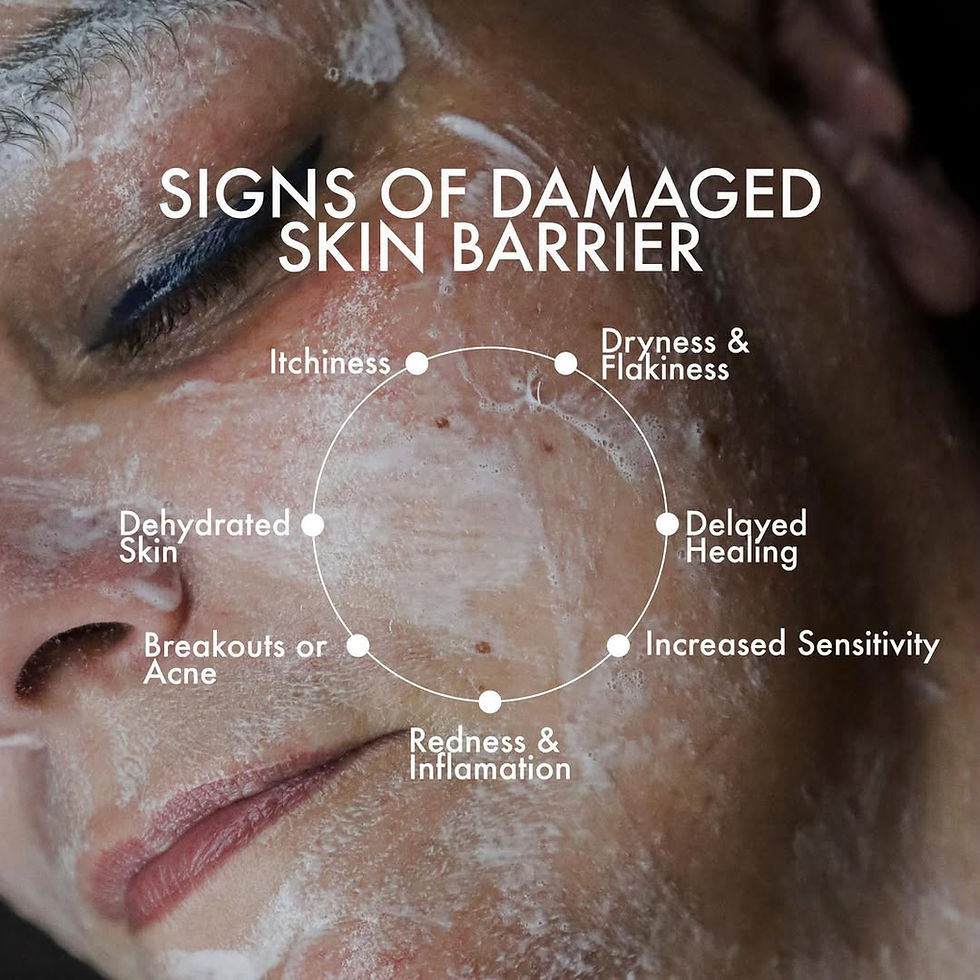
Signs of a Compromised Skin Barrier
It is easy to misinterpret what your skin is telling you. Many people mistakenly believe certain symptoms mean they need stronger treatments or more exfoliation. In reality, the skin often needs more support and less irritation.
Common signs of barrier damage may include:
Redness and visible inflammation
Sensitivity to temperature changes or touch
General irritation
Dryness or flaking
Tightness immediately after cleansing
Stinging or burning from standard skincare products
Increased breakouts and congestion
Rough texture
Oily yet dehydrated skin
Dullness
Makeup applying unevenly or separating throughout the day
When these symptoms appear, the instinct is often to add a new clarifying serum or a stronger scrub. Adding more active ingredients to a damaged barrier only prolongs the inflammation. The skin needs to rest.
How to Support Barrier Repair
Supporting the skin barrier typically involves simplifying routines. The focus shifts entirely to hydration, nourishment, and consistency. When you remove the irritants, the skin is remarkably good at healing itself.
Helpful approaches for repairing the barrier include:
Using gentle, non-stripping cleansers
Reducing or completely pausing exfoliation temporarily
Focusing heavily on daily hydration
Using barrier-supportive moisturizers rich in ceramides and lipids
Wearing SPF consistently to protect healing skin
Avoiding excessive active ingredients like retinol or vitamin C
Maintaining a predictable, consistent skincare routine
Professional skincare lines such as GlyMed+ are commonly used to support overall skin health. They combine corrective ingredients with formulas designed to maintain hydration and barrier function while addressing individual skin concerns. Using high-quality, supportive products ensures the skin receives the nutrients it needs to rebuild its protective layer.
Professional Treatments That Support Barrier Health
Professional treatments can help support barrier repair when customized appropriately for the skin’s current condition. Treatments focused on hydration, calming inflammation, gentle exfoliation, and restoring balance are often more beneficial than aggressive corrective approaches on already compromised skin.
At Get Glowing, treatments are customized based on the condition of the skin rather than following overly aggressive trend-based approaches. Skin health, balance, and long-term results are prioritized over quick fixes. A facial should leave your skin looking balanced, refreshed, and healthy. It should not look overly treated or stripped.
Professional products from GlyMed+ may be incorporated into these customized treatments. These products help support hydration, reduce irritation, and improve overall skin function while still addressing underlying concerns such as acne, texture, sensitivity, and aging. The goal at Get Glowing is always skin that looks good in natural lighting, everyday life, and without filters.

Building a Healthier Foundation for Your Skin
Healthy skin rarely comes from overworking the skin. Stronger, more resilient skin starts with repairing the barrier, simplifying your daily habits, and focusing on consistency over intensity.
Supporting the skin barrier improves overall skin appearance, comfort, hydration, and resilience over time. It creates a healthier foundation for long-term skincare results. When you feel taken care of, it changes your confidence and the way you carry yourself.
If your skin feels reactive, tight, or unpredictable, it is time to step back from complex routines. Focus on hydration, gentle cleansing, and sun protection. For personalized guidance on restoring your skin's natural balance, schedule a consultation at Get Glowing. Our customized facials and tailored product recommendations provide the exact support your skin needs to heal and thrive.


Comments