Your Skin During El Niño: What Changes and Why


Quick answer: El Niño drives warmer temperatures and drier, high-stress conditions that deplete skin moisture and increase UV exposure. To protect your skin, adapt your routine by focusing on three steps: intense barrier hydration, rigorous daily sun protection, and soothing inflamed or sensitive areas.
Most people track El Niño through weather forecasts. Flooded highways. Prolonged heat. Unusual storms rolling into places they rarely visit. What obviously gets less attention is what those same conditions are doing to your skin.
The connection between climate and skin health is well-documented. According to a review published in the International Journal of Dermatology by researchers from Aarhus University Hospital, El Niño has been associated with measurable increases in the occurrence of actinic keratosis, rosacea, miliaria (heat rash), tinea, pityriasis versicolor, and folliculitis. These are not fringe findings. They represent a consistent pattern across multiple studies — warmer, more extreme conditions place real, measurable stress on the skin's barrier function.
The 2023–2024 El Niño event was among the most powerful in recent decades, contributing to what became the hottest year on record globally in 2024, according to U.S. News & World Report. A new El Niño cycle is now forming, with NOAA's Climate Prediction Center reporting in mid-2026 that conditions are expected to strengthen into the Northern Hemisphere winter of 2026–27. For those in Southern California — already a region the National Weather Service identifies as significantly affected by El Niño precipitation and temperature shifts — this matters.
Your skin is the body's most exposed organ. When the climate shifts, your skin responds first.
What Does El Niño Actually Do to Your Skin?
Why do warmer, drier conditions deplete skin moisture?
El Niño's warm phase brings elevated temperatures, reduced humidity in certain regions, and intensified UV radiation. Heat accelerates transepidermal water loss — the process by which moisture evaporates from the skin's surface. When that happens consistently, the lipid barrier that normally locks moisture in begins to degrade.
The result: skin that feels tight after cleansing, looks dull in natural light, and becomes more reactive to products it previously tolerated. This is not a temporary inconvenience. Repeated barrier disruption contributes to longer-term sensitivity.

Which skin conditions become more common during El Niño?
Research published via PubMed by the International Society of Dermatology Climate Change Task Force identifies a consistent cluster of conditions that increase during El Niño's warm phase:
Actinic keratosis — rough, scaly patches caused by years of cumulative UV damage. El Niño's intensified sun exposure accelerates their development.
Rosacea flares — a study of 3,924 hospital patients in Lima, Peru (a recognized El Niño hotspot) found increased rosacea prevalence during El Niño periods. The National Rosacea Society further notes that rising temperatures can increase the frequency of summer flare-ups.
Miliaria (heat rash) — blocked sweat ducts caused by sustained heat and humidity fluctuations.
Folliculitis and fungal conditions (tinea, pityriasis versicolor) — warm, moist environments create conditions where bacteria and fungi thrive on skin.
There is a silver lining. The same research found that El Niño is associated with decreases in dermatitis, scabies, psoriasis, and papular urticaria — conditions that tend to worsen in cold, damp conditions. The tradeoffs are real, but they favor those whose skin struggles more with cold.
What does this mean practically for your skincare routine?
It means the routine that worked through a mild winter may not hold up through an El Niño summer. The products, the frequency, and the focus all need to shift.
Three Pillars of El Niño Skincare
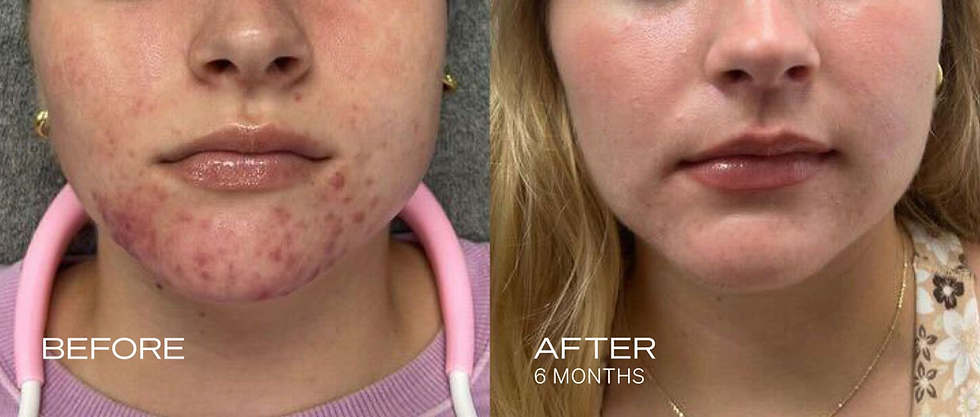
How do you rebuild and maintain the skin barrier during heat and dryness?
Barrier hydration is the foundation. Not surface moisture — barrier hydration. There is a difference.
Surface hydration adds water to the skin temporarily. Barrier hydration uses specific ingredients to reinforce the skin's ability to retain that water against heat and environmental stress.
Two categories of ingredients do this well:
Humectants draw water into the skin from the environment and deeper layers. Hyaluronic acid is the most well-known. Glycerin is equally effective and better tolerated by sensitive skin.
Emollients and occlusives seal the barrier after humectants have done their work. Ceramides are particularly effective because they mimic the lipids naturally present in healthy skin. Squalane is another option — lightweight, non-comedogenic, and well-suited to warmer months.
Apply hydrating serums to slightly damp skin, then layer a ceramide-rich moisturizer on top. In drier indoor environments, a humidifier helps maintain ambient moisture that supports the skin barrier overnight.
Why does sun protection become more urgent during El Niño conditions?
The research is clear: El Niño increases the occurrence of actinic keratosis — a direct marker of excessive UV exposure. Elevated temperatures don't just feel hotter; they often correlate with increased UV index levels and longer hours spent outdoors.
Broad-spectrum SPF is non-negotiable. Broad-spectrum SPF is essential for protecting your skin during El Niño conditions. Remember, SPF doesn't last all day—no matter the number, sunscreen must be reapplied every two hours during outdoor activities to maintain effective protection. A morning application of SPF fades significantly by midday, especially with sweat or incidental contact.
Physical barriers — wide-brimmed hats, UV-protective clothing, seeking shade during peak UV hours between 10am and 2pm — reduce cumulative exposure in ways no topical product fully replicates.
If you're looking for SPF products that work well with sensitive or dry skin, our shop skincare page has a curated selection of broad-spectrum formulas worth exploring.
How do you calm inflammation and reduce flare-ups during El Niño?
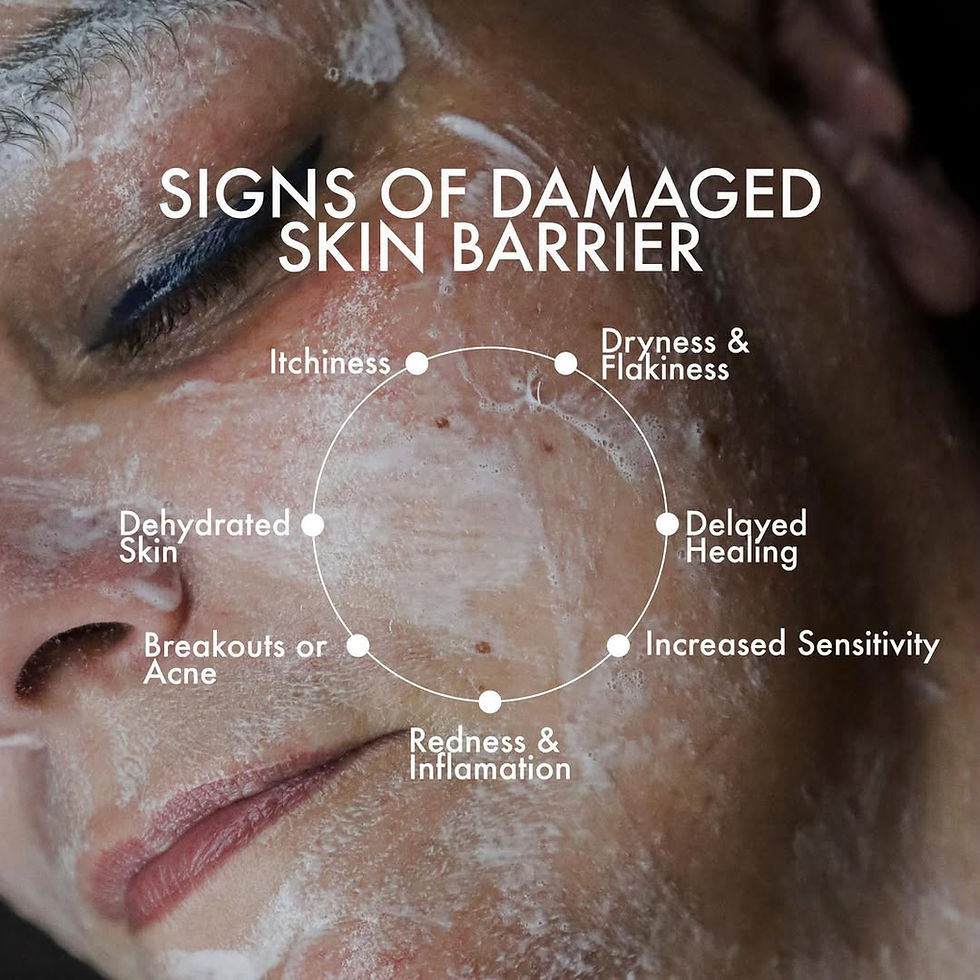
Heat, UV stress, and barrier disruption converge to create inflammation. The signs are readable: persistent redness, a warm sensation, skin that stings with products it used to tolerate, or visible flushing that lingers longer than it should.
A few ingredients address this consistently:
Aloe vera — well-documented for its cooling and anti-inflammatory properties. Effective as a standalone gel or as an ingredient in lightweight moisturizers.
Niacinamide — a form of vitamin B3 that reduces redness, strengthens the barrier, and regulates oil production without irritating compromised skin.
Centella asiatica (cica) — increasingly common in barrier-repair formulations. Calming and gentle, with good evidence behind its use in reactive and sensitized skin.
What to avoid during flare periods is equally important. Exfoliating acids (AHAs, BHAs), high-concentration vitamin C serums, retinoids, and fragranced products all increase sensitivity on an already stressed barrier. Pare back. Let the skin stabilize before reintroducing active ingredients.

Lifestyle Adjustments That Support Your Skin
Skincare products do a portion of the work. The rest comes from elsewhere.
Hydration from within is often underestimated. Skin that is consistently well-hydrated at a systemic level performs better under environmental stress. The standard guidance — eight glasses of water daily — becomes more relevant, not less, during prolonged heat.
Diet plays a supporting role. Foods high in antioxidants (leafy greens, berries, fatty fish) support the skin's internal defenses against UV-related oxidative stress. Excess sugar and alcohol can worsen inflammation — a connection worth noting when rosacea or folliculitis is a concern.
Gentle cleansing preserves the barrier. Foaming cleansers that strip oil may feel satisfying in humid heat, but they accelerate moisture loss. A milky or gel cleanser that maintains the skin's natural pH is a better default.
Dermatologist consultations become more valuable during extended climate stress. If actinic keratosis, persistent rosacea, or recurrent folliculitis is a concern, a dermatologist can provide targeted treatment options that go beyond what topical products address.
Protecting Your Skin Through the Season
El Niño does not last forever. The current cycle will pass. But the skin damage it accumulates — UV exposure, barrier degradation, repeated inflammation — has a longer timeline than the weather pattern that caused it.
The approach is straightforward: reinforce the barrier with ceramides and humectants, apply and reapply broad-spectrum SPF consistently, and calm inflammation with gentle, evidence-backed ingredients. These three steps don't require a complete routine overhaul. They require adjusting what you already do with more intention.
Skin that is well-maintained through a high-stress season looks better throughout it — and recovers more easily after.

Frequently Asked Questions
Which skincare ingredients are most effective during El Niño conditions?
For hydration and barrier repair, hyaluronic acid, glycerin, ceramides, and squalane are the most effective options. For calming inflammation, niacinamide, aloe vera, and centella asiatica (cica) address redness and sensitivity without further stressing the skin. Broad-spectrum SPF 50 is the most critical addition for sun protection.
Should I change my skincare routine every El Niño season?
A full routine overhaul is rarely necessary. The key adjustment is shifting your focus: heavier emphasis on barrier hydration, more consistent SPF reapplication, and temporarily reducing the use of exfoliating acids and high-potency actives during periods of heat-related inflammation or sensitivity.
Does El Niño benefit any skin conditions?
Yes. Research from Aarhus University Hospital found that El Niño is associated with decreases in dermatitis, scabies, psoriasis, and papular urticaria — conditions that tend to worsen during cooler, damper seasons. Those who struggle primarily with cold-weather flares may find El Niño conditions easier on their skin.
How important is SPF during El Niño compared to a normal year?
More important. El Niño's intensified UV conditions directly contribute to increased rates of actinic keratosis — a documented precancerous skin lesion caused by cumulative sun damage. Consistent use of broad-spectrum SPF 50, reapplied every two hours during outdoor exposure, is the most evidence-supported action for reducing UV-related skin risk during an El Niño period.
When should I see a dermatologist about El Niño-related skin changes?
Consult a dermatologist if you notice persistent redness or rosacea flares that don't resolve with gentle care, rough or scaly patches that could indicate actinic keratosis, or recurring folliculitis or fungal skin conditions. A dermatologist can assess whether topical treatment is sufficient or whether prescription options are warranted.


Comments